The search intent behind "john doe roblox" is answered here with a clear summary, official next steps, and safety notes before you leave this page.
Urban legend
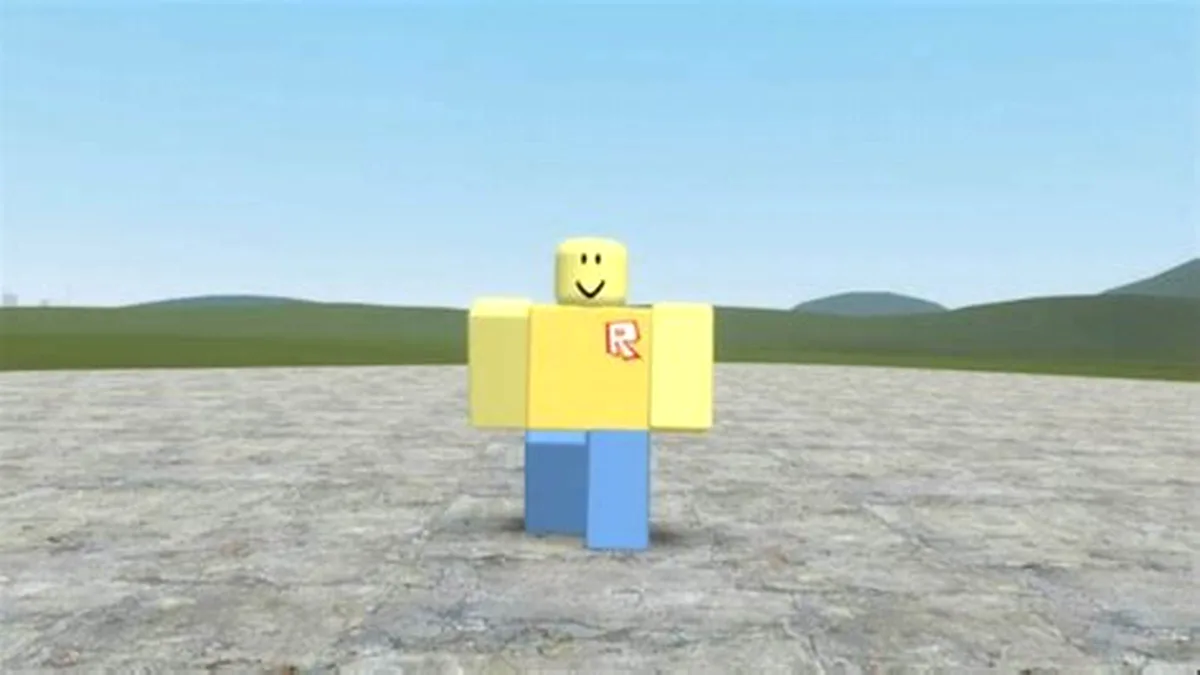
The Urban Legend is one of the platform’s older urban legends. Searches often connect the name with hacker rumors, old videos, countdown claims, and stories about accounts returning on specific dates.
Most of the fear comes from repeated community storytelling rather than current technical evidence. Treat dramatic claims as rumors unless official Roblox sources confirm a real account or security issue.
Why it spread
The legend spread because Roblox has a young audience, memorable account names, and a culture of mystery videos. A simple name can become a recurring story when creators add dates, warnings, and “do not log in” hooks.
Old rumors can resurface every year with a new thumbnail. Check publication dates before assuming the story is current.
Account safety
The practical lesson is account security. Use a strong password, verified recovery email, two-step verification, and official support for problems. Do not share login details with anyone claiming to protect you from an urban legend.
If a rumor directs you to a “security check” website, it is more dangerous than the story itself.
Verify claims
Verify John Doe claims the same way you verify other Roblox rumors: look for official Roblox statements, credible reporting, and current dates. Screenshots without source context are weak evidence.
If Roblox status is normal and your account is secure, there is usually no action needed beyond normal safety habits.
What Should You Know First?
This page needs a direct answer and a safe next step. Users may arrive from Bing, Google, Copilot, a school device, a family tablet, or a creator workflow, so the guide keeps the answer practical: explain the task, identify the official destination, and warn about misleading shortcuts before asking the user to click away.
Related searches are handled as supporting context rather than separate duplicate pages. The goal is to keep one strong page for one query mask, then use sections and anchors to answer the important sub-questions without creating cannibalizing URLs.
The official Roblox ecosystem changes over time, but the safety model is stable. Sign in only on Roblox-controlled pages, redeem value only through official flows, use app stores or Creator Hub for software, and treat executors, fake rewards, password tools, and copied support forms as unsafe.
How Do You Complete This Task Safely?
Start by checking whether the task is about playing, signing in, downloading, redeeming, creating, account recovery, or information. That classification matters because the safest link is different for each intent. A download search should not send a user to a code page, and a support search should not send a user to a random community answer.
Use the primary CTA on this page when the next step belongs on an official or trusted destination. Before entering personal information, verify the domain, browser lock, account name, and recovery method. If a page promises free Robux, instant moderation removal, hidden game rewards, or secret access, slow down and verify the source before continuing.
On shared family devices, confirm which Roblox account is active. Many mistakes happen because a parent, sibling, or friend is already signed in. Gift card credit, purchases, settings, and support requests should all be tied to the correct account from the beginning.
What Problems Usually Happen?
The most common problems are stale instructions, wrong-account actions, blocked networks, outdated apps, unclear purchase prompts, and third-party pages that imitate Roblox branding. A static guide should not pretend to have live account state, so this page focuses on checks that remain useful across updates.
If something does not work, check Roblox status, update the app or browser, test another network, and compare the issue against another experience or device. That sequence separates platform incidents from local settings. It also prevents unnecessary password resets, reinstalls, or support tickets during a temporary outage.
For account, billing, moderation, or technical problems, use Roblox Support after checking status and collecting screenshots, timestamps, receipts, and device details.
Why Does This Page Avoid Unsafe Shortcuts?
Roblox searches attract unsafe shortcuts because many users are young, impatient, or trying to solve a problem quickly. Pages that offer generators, executors, bypasses, private servers, free premium items, or account recovery without verification often create more risk than the original problem.
A safer Roblox guide should be clear about what it does not do. This site does not ask for passwords, recovery codes, authentication cookies, private messages, Robux balances, or payment details. It does not host executors or exploit scripts. It points users toward official resources and explains how to recognize suspicious alternatives.
For parents and guardians, the same rule applies: technical controls help, but conversation matters. Review settings, spending, chat, privacy, and age-appropriate content before problems happen. When a child searches for risky terms, treat it as a chance to explain why some shortcuts are unsafe.
When Should You Use Support Instead Of More Searches?
Use support when the issue involves account ownership, billing, moderation, safety reports, missing purchased value, or a persistent technical problem that survives normal troubleshooting. Search results are useful for orientation, but only Roblox or the relevant store can resolve account-specific records.
Prepare details before opening a support request. Include username, device, app version, operating system, purchase receipts where relevant, screenshots, exact error messages, and the time the issue started. Do not include passwords, full card numbers, 2FA backup codes, or private security tokens.
If the task is informational, save the official link and return when needed. If the task is transactional, complete it in one session on the correct account. If the task is risky or unclear, stop and verify before installing anything or sharing information.